
Sugar Land Water Restoration Pros: Flood Cleanup, Extraction & Structural Drying
Expert residential and commercial water damage services. Free on-site assessment across Fort Bend County, day or night.
- IICRC S500 and S520 methods on every job
- 24/7 emergency response across Fort Bend County
- Daily moisture logs your adjuster can actually read
- Licensed, insured and bonded in Texas
Our Water Damage Services in Sugar Land, TX
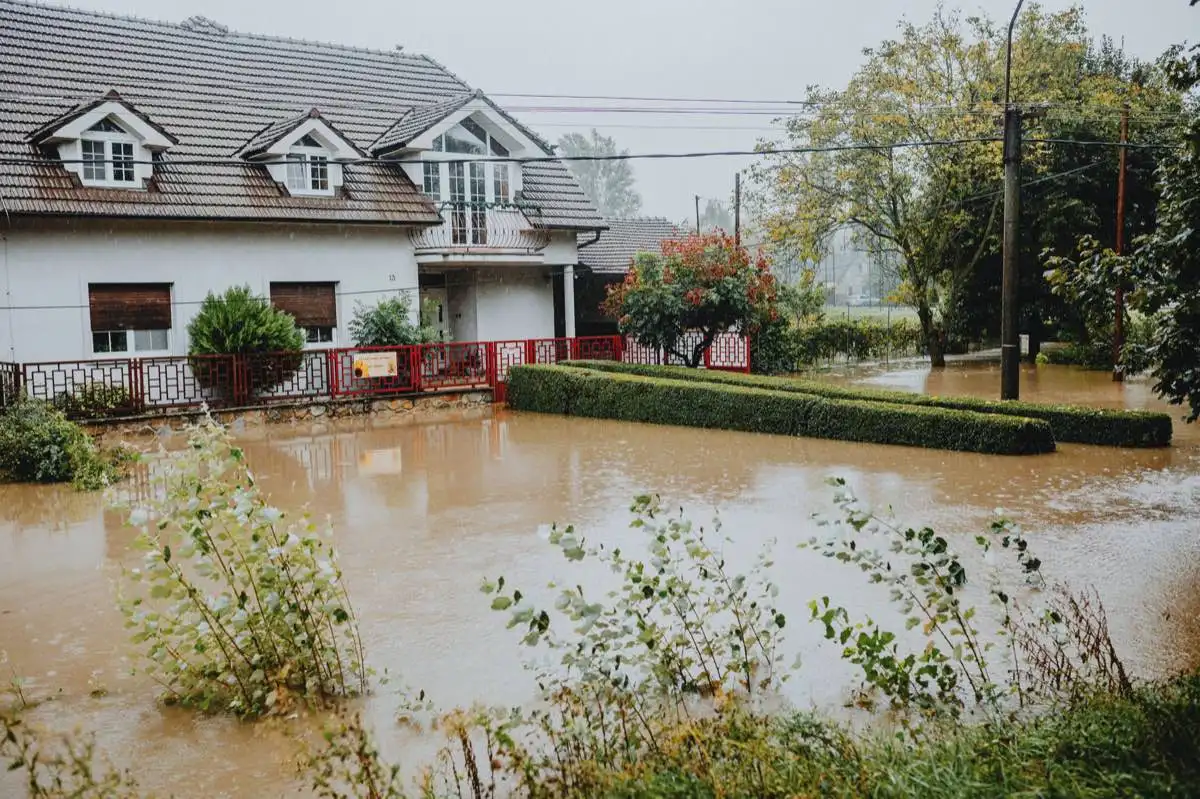
Emergency Water Extraction & Removal
Extraction is the first hour, not the whole job. On a Sugar Land slab home taking water off the street, the volume is the easy part.

Structural Drying & Dehumidification
Drying a building on the upper Gulf Coast is a closed-system problem. Outside air here carries a dew point that makes open windows a way to add water, not remove it.
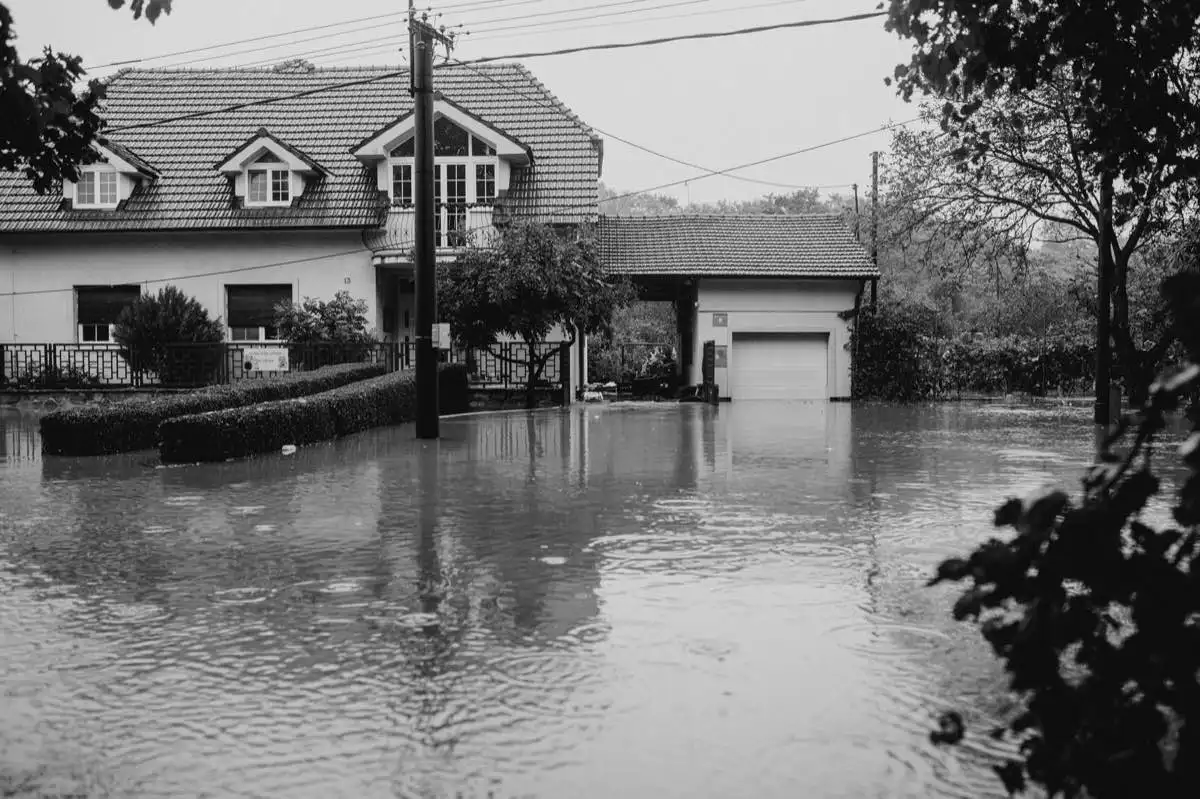
Flood Damage Restoration
Fort Bend County floods from several directions at once, and the direction matters to your claim. Brazos River backwater, Oyster Creek out of bank, and sheet flow that never reaches a channel at all are three different events with three different files.
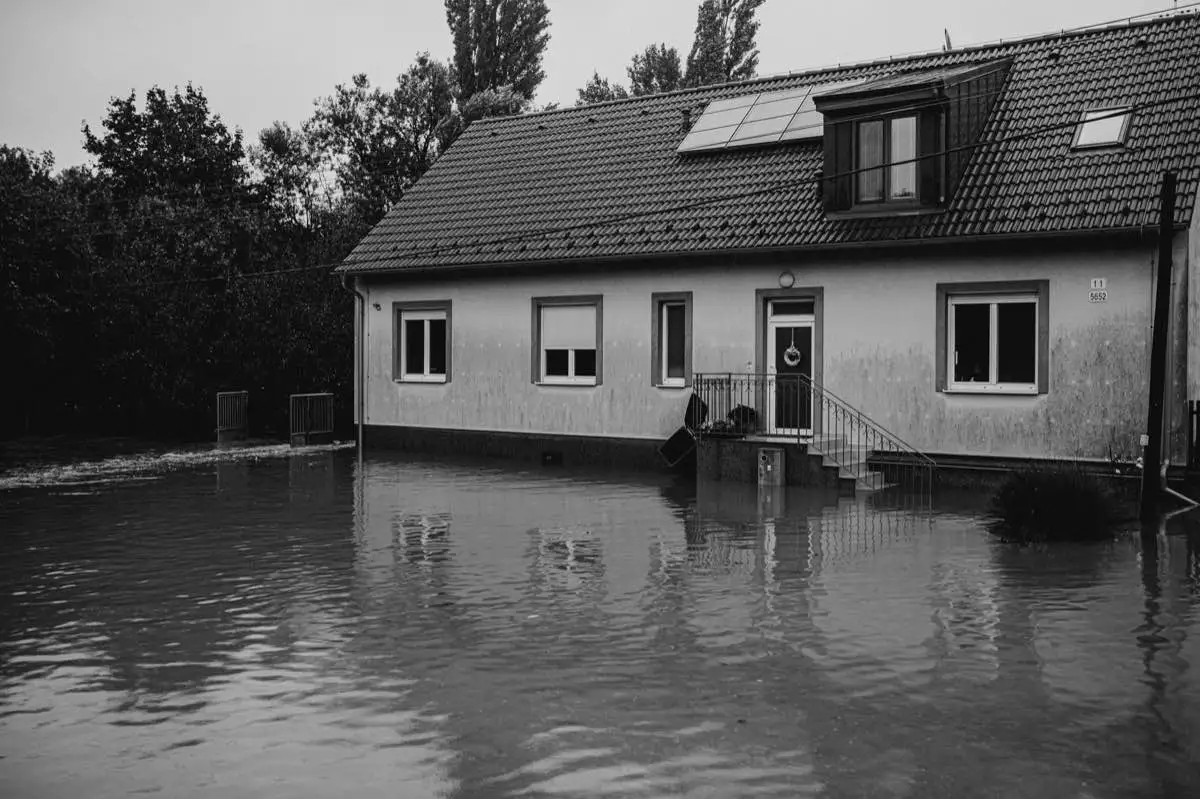
Storm & Hurricane Water Damage
Twenty miles inland changes the storm you prepare for. Sugar Land does not take surge.
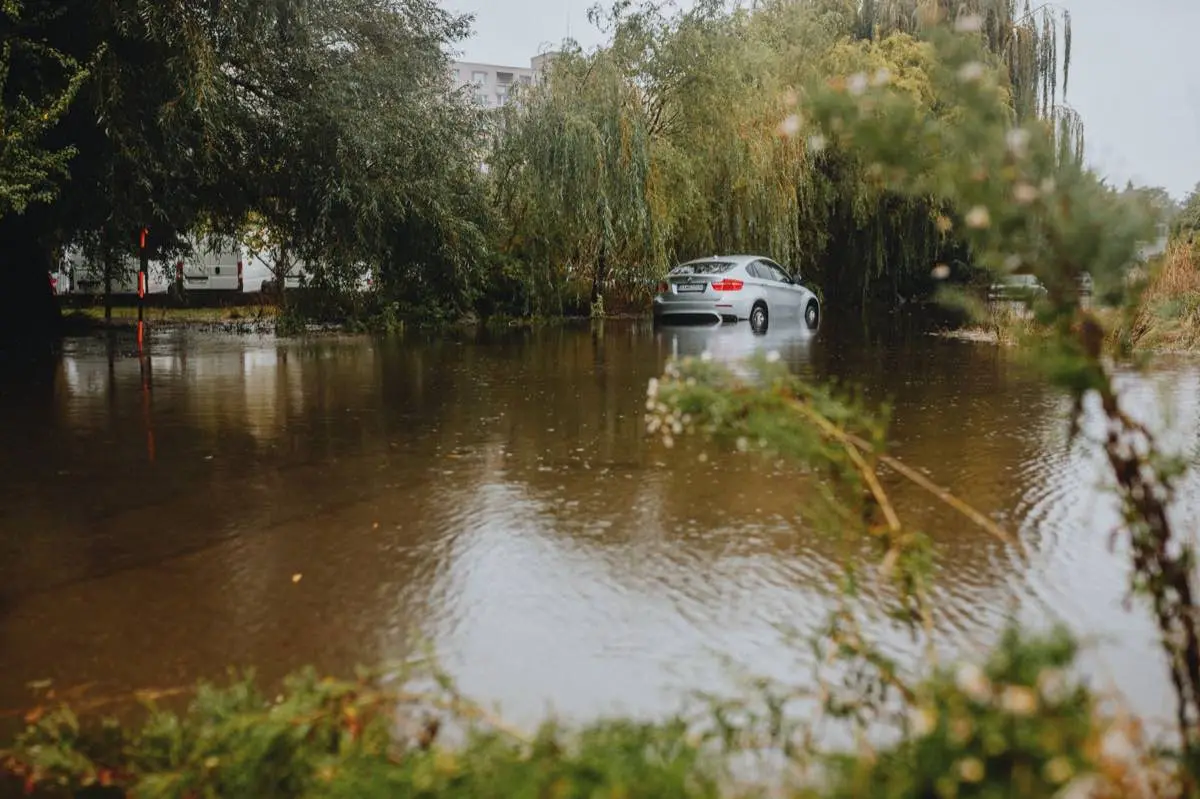
Burst Pipe & Slab Leak Damage
This is the one loss in Sugar Land that usually starts clean, and that changes the whole approach. Water from a supply line is Category 1, which means most of what it touched can be dried in place instead of demolished.
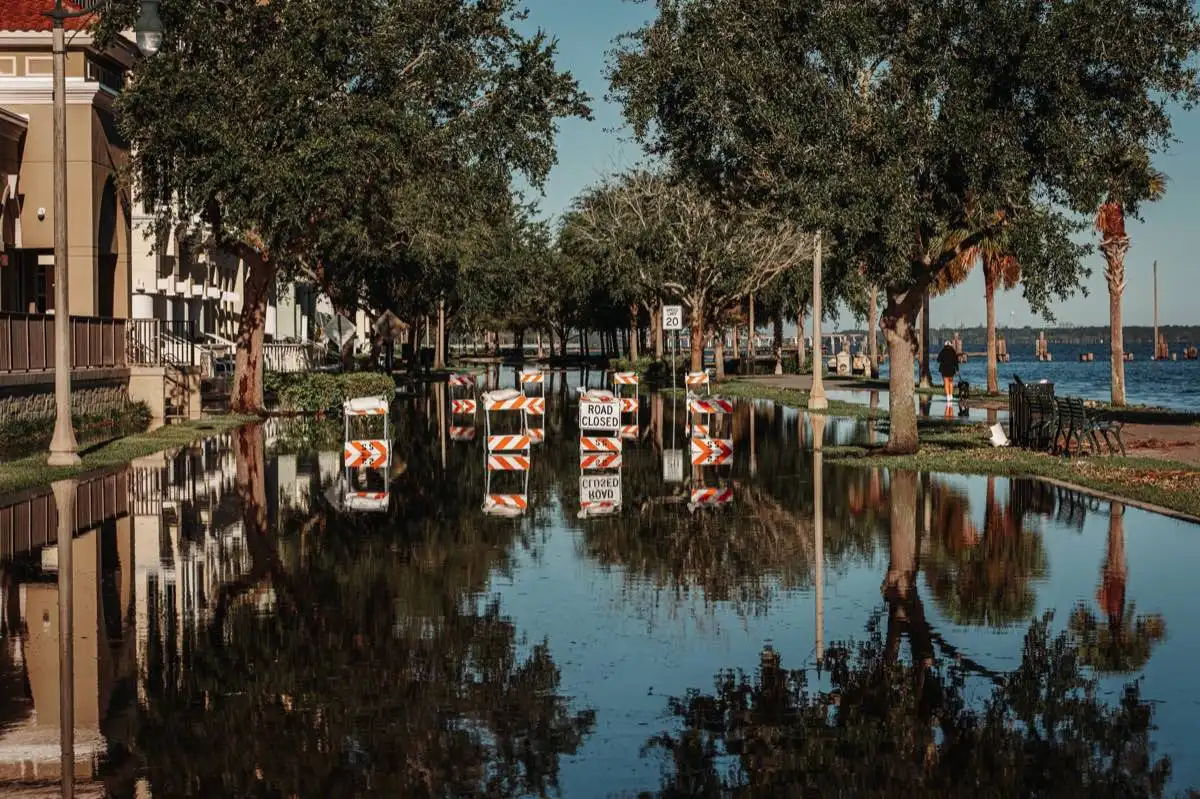
Sewage Backup Cleanup
A sewage backup in a slab-on-grade house has nowhere convenient to go. There is no basement floor drain to take it.
Mold Remediation
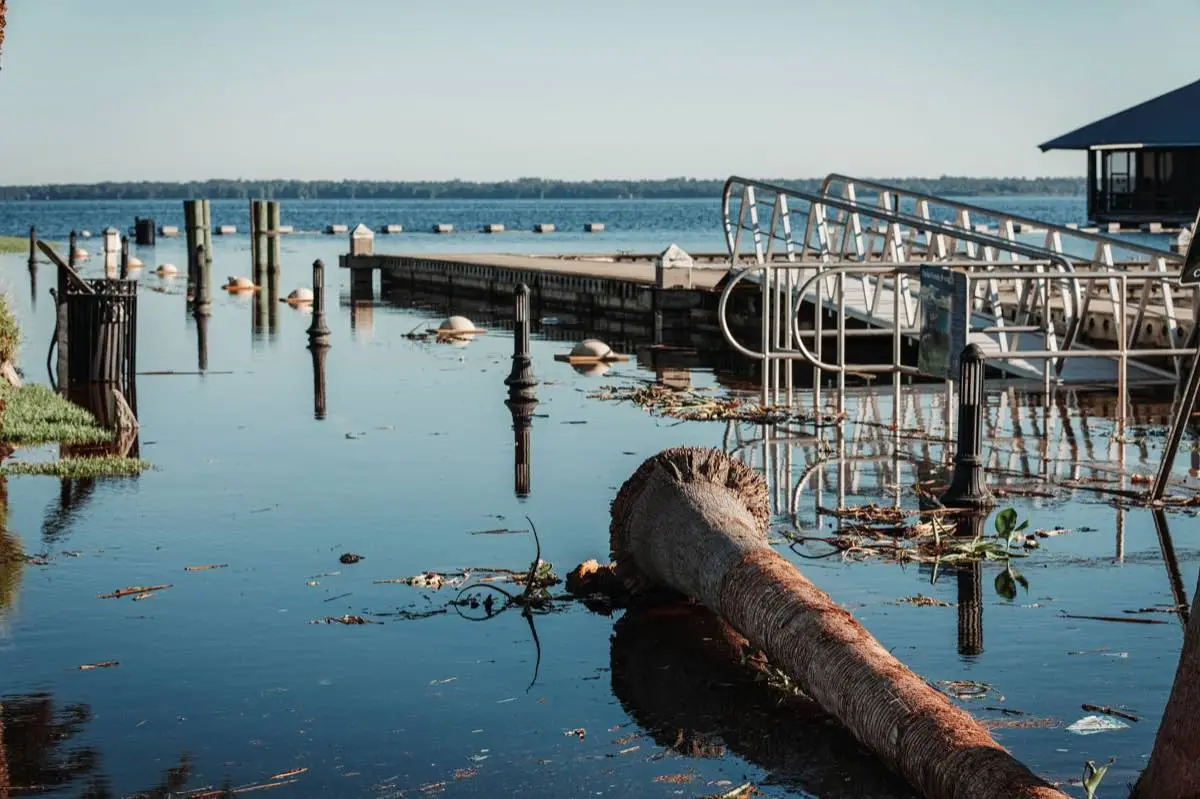
Mold after a Fort Bend flood is not a surprise event. It is the predictable outcome of wet cellulose, warm air and a high dew point, and the only real variable is how long the materials stayed wet before somebody opened the wall.
Mold Inspection & Testing
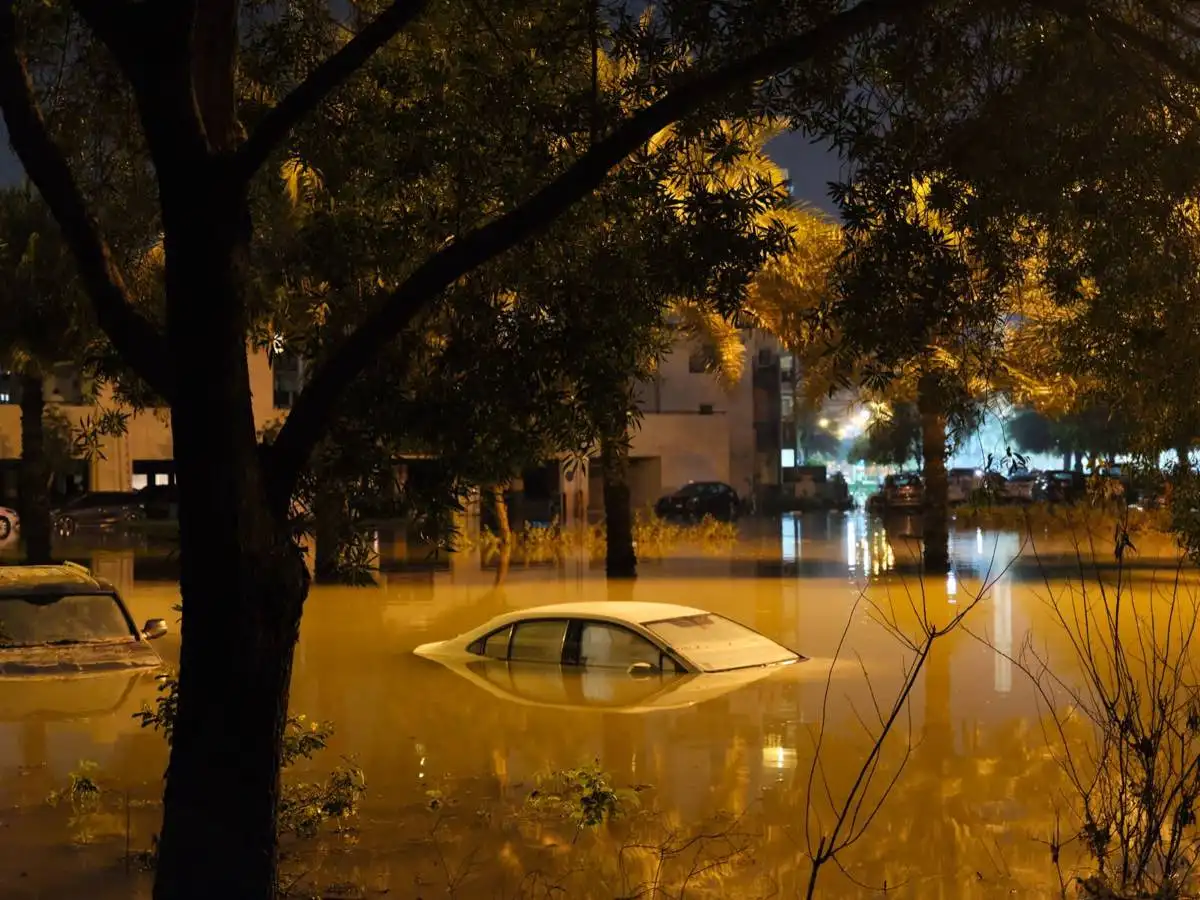
Here is the page where we talk you out of something. A large share of the mold tests sold in Fort Bend County tell the buyer nothing they did not already know, and charge several hundred dollars to say it.
Fire & Smoke Damage Restoration
Fire damage on the Gulf Coast arrives as a water loss with soot on top. Suppression water runs across char and melted plastics, picks up the residue, and ends up sitting in the bottom of every wall in the building.
Carpet & Upholstery Drying
Most of the carpet we are called out to dry in Sugar Land should not be dried. If the water came in from outside, or from a sanitary line, the answer is removal, and saying that on day one saves you a week and a bill.
Hardwood Floor Water Damage
Hardwood floor drying systems are a Category 1 tool. We own them, we use them, and on most Sugar Land flood losses we tell owners not to buy them, because the water underneath the floor was never clean to begin with.
Ceiling & Drywall Repair
Two different losses land on this page. Water that came up from the slab and stopped at the bottom of the wall, and water that came down from a roof or an upstairs bathroom and took a ceiling with it on the way.
Crawl Space & Pier-and-Beam Drying
Most people who call us about a crawl space in Sugar Land do not have one. Post-war Gulf Coast construction is slab-on-grade almost without exception, and the master-planned neighborhoods built from the 1970s onward are slab throughout.
Roof Leak Water Damage
Water from above is a different claim than water from below, and in Fort Bend County that difference is worth thousands of dollars. Rain that enters through the roof is a homeowners loss.
Contents Cleaning & Pack-Out
The most useful thing we can tell you about contents after a flood is to photograph everything before you move it. Once a soaked mattress is out at the curb, its value in your claim depends entirely on what you captured first.
Commercial Water Damage
Commercial losses here are judged on how much of the building keeps operating. A medical suite off the Southwest Freeway, a restaurant at Sugar Land Town Square and a flex warehouse in Stafford all give different answers to that question.
Insurance Claim Support
The single most expensive misunderstanding in Fort Bend County is this one: a standard Texas homeowners policy does not cover flood. Not water off the street, not a creek out of bank, not water that rose from the ground.
Reconstruction & Rebuild
The rebuild is the only part of a flood you get to design. Putting the same materials back in the same places at the same heights buys you an identical loss the next time water reaches the slab.
Sugar Land Water Restoration Pros handles water damage restoration, flood cleanup, water extraction and structural drying for homes and businesses across Sugar Land, Texas. We work to the IICRC S500 standard, which means category and class are established before a single air mover is placed, because that one decision governs what gets dried and what gets removed.
Most of the water we pump out of properties here did not come from a pipe. It came off the street, out of a creek that went over its banks, or from a sanitary line that surcharged during a rain band. That water is Category 3 the moment it crosses the threshold, and the gypsum board, carpet cushion, batt insulation and particleboard cabinet boxes that sat in it are removed rather than dried.
Everything after that is measurement. Penetrating meters and thermal imaging map how far the water traveled through the bottom plate and the wall cavity, and low-grain refrigerant and desiccant dehumidifiers bring the slab and framing back to a documented dry standard. We log readings daily and hand your adjuster a file that shows why each material was cut, dried or replaced.
What Sugar Land Customers Say
Oyster Creek came over and put four inches through the back of the house. They marked and photographed the water line before touching anything, cut the drywall a foot above it and showed me the meter readings every single day. My adjuster approved the scope without a single question.
Our house is pier-and-beam, which apparently is unusual around here. They pumped out the crawl space, pulled the wet insulation from under the floor and metered the joists on every visit instead of guessing. They also talked me out of encapsulating it, which two other companies had tried to sell me.
Warehouse suite took water on a Sunday. They had containment up between our wet bay and the operating side by that evening and did the loud demolition after hours so we never closed. Lifted the VCT to get at the slab underneath rather than just running fans over the top of it.
A dishwasher line let go overnight. I expected them to gut the kitchen and instead they dried the cavity through small holes behind the baseboard and vented the toe kicks. Half the price I had been quoted elsewhere, and they explained exactly why clean water gets treated differently.
Why Sugar Land Chooses Sugar Land Water Restoration Pros
- ✓Category and class documented before equipment is placed, not after
- ✓Flood cuts measured off the high-water line and photographed before demolition
- ✓Dehumidification sized to the slab, not to a rental invoice
- ✓We tell you when a material is worth saving and when it is not
- ✓One scope and one written workmanship guarantee from extraction through rebuild
- ✓Independent mold assessment recommended, never sold alongside our own remediation
About Sugar Land Water Restoration Pros in Sugar Land, TX
Sugar Land Water Restoration Pros works on water losses across Fort Bend County and the surrounding communities, residential and commercial. The work follows the IICRC S500 standard for water damage and S520 for mold, which mostly means the boring parts do not get skipped: category and class established first, moisture mapped and logged at fixed points, and a documented dry standard reached before anything is closed back up.
Our bias is toward removing less and measuring more. On a clean supply-line break we will argue for drying a wall cavity in place instead of tearing it out, because that is cheaper and it works. On water that came in from outside we argue the opposite just as hard, because contaminated porous material does not become clean by getting dry, and no amount of airflow changes that.
There are jobs you should not hire us for. If your loss is a bucket of clean water on tile and the slab reads dry the next morning, you do not need a restoration contractor at all. If you need a mold assessment over twenty-five contiguous square feet, Texas requires an independent licensed consultant and we will send you to one. And if a plumber, a roofer or an electrician has to go first, we say so before quoting anything.
How It Works
- 1
Source control and the category call
We stop the water, kill power to the wet area, then establish category and class under IICRC S500 before any equipment is placed. That single decision governs what gets dried and what gets removed, and we make it with a moisture meter rather than a guess about how the room looks.
- 2
Photograph, extract, cut to the line
The high-water line is marked and photographed before anything moves, because demolition destroys the evidence your adjuster needs. Then truck-mounted extraction and pumping, clay silt removed by hand, and flood cuts made above the line so the new sheet lands on framing during the rebuild.
- 3
Closed-system drying with daily logs
Doors and windows stay shut, because Gulf Coast outside air adds water rather than removing it. Refrigerant and desiccant dehumidification sized to the class of loss, air movers placed against wet surfaces, and readings logged daily at fixed points until the slab and framing hold at target.
- 4
Rebuild for the next one
We put the building back under one scope and one written workmanship guarantee, and we raise the resilience choices while the walls are still open: paperless gypsum on the bottom course, outlets lifted above the old high-water mark, and cabinet boxes set off the concrete.
Commercial Water Damage Work Across Fort Bend County
Commercial water losses here are judged on how much of the building keeps operating while the drying runs. We phase the work: containment between the wet and dry halves under negative pressure, equipment on circuits that will not trip a suite, and loud demolition scheduled after hours. Retail at Sugar Land Town Square, medical offices along the Southwest Freeway and flex warehouse space in Stafford all get scoped that way.
- ✓Phased containment so the dry half of a tenant space keeps trading
- ✓After-hours demolition and equipment on circuits that will not trip a suite
- ✓VCT and sheet goods lifted to release the water trapped against the slab
- ✓Plenum and raised-floor drying where carpet tile hides standing water
- ✓Health department documentation built as the work happens, not afterwards
- ✓Pre-storm walkthroughs, marked shutoffs and a call list for property managers
Service Areas
Sugar Land Water Restoration Pros serves Sugar Land, TX and surrounding communities including:
Recent Projects Across Fort Bend County
Frequently Asked Questions
Does homeowners insurance cover flood damage in Sugar Land?
Almost certainly not. Standard Texas homeowners policies exclude water that rises from the ground, which covers street flooding, a creek out of bank and river backwater. That is paid by a separate flood policy through the NFIP or a private carrier, with building and contents bought as two coverages. What your homeowners policy does cover is sudden accidental discharge from plumbing and rain entering through a storm-created opening, which is exactly why we scope and document those events separately.
My house is in Zone X. Do I still need flood insurance?
Zone X means the property sits outside the mapped one percent annual chance floodplain. It does not mean the property cannot flood. Heavy clay prairie sheds water fast and that water collects at the lowest slab on the street regardless of what the map says, which is why a meaningful share of Fort Bend County flood claims come from outside the high-risk zones. Coverage is also cheaper out there. Check your Elevation Certificate and get it priced.
Why are you cutting my drywall instead of drying it?
Because of what was in the water. Under IICRC S500, water from outside the building or from a sanitary line is Category 3, and porous materials that absorbed it are removed rather than dried. Paper-faced gypsum wicks water well above the visible stain, so the cut is made above the high-water line, and the batt insulation in the affected bays comes out with it. On a clean supply-line break we do the opposite and dry the cavity in place.
How long does drying take on a slab-on-grade house here?
Longer than the framing suggests, because the concrete is the slow part. A post-tension slab that sat under water keeps giving moisture back after the studs read dry, and pulling equipment at that point re-wets the bottom of the wall and whatever flooring has gone down. We dry to the slab and to logged readings at fixed marked points rather than to a fixed number of days, and you get to see the log.
Do I need a mold test after a flood?
Often not. If there is a visible line of growth along the bottom of the drywall, a laboratory report is not going to change where the saw goes. Testing earns its cost when there is a musty odor with no visible source, when clearance is needed after a remediation, or when a dispute needs an independent number.
Above twenty-five contiguous square feet Texas requires an independent licensed assessment consultant, and we will point you to one rather than sell you both halves.
What is the substantial damage rule and why does it matter?
If the cost to repair flood damage reaches fifty percent of the structure's market value before the loss, floodplain rules treat the building as substantially damaged, and the rebuild has to meet current elevation requirements instead of the ones in force when the house was built. In a mapped zone in Fort Bend County that call is made by the floodplain administrator, and it changes both the design and the budget, so it is worth asking about early.